Health & Wellness

Commonly Used “E” Food Additives Can Increase the Risk of Heart Disease

Commonly Used “E” Food Additives Can Increase the Risk of Heart Disease

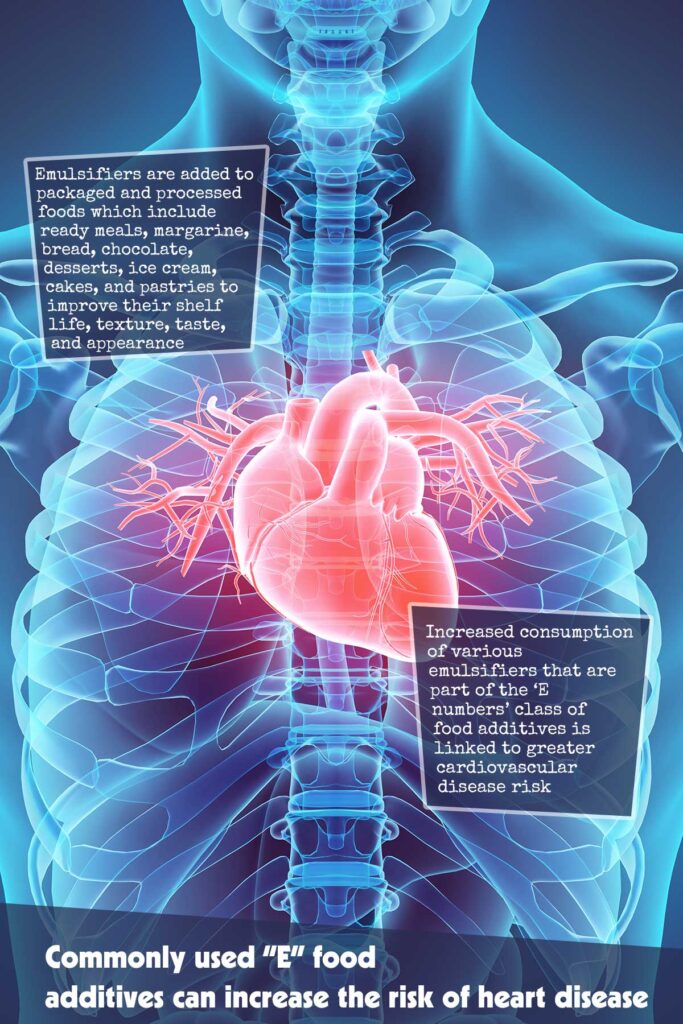
A study has indicated that increased consumption of various emulsifiers that are part of the ‘E numbers’ class of food additives, commonly made use of in processed foods to enhance texture and prolong shelf-life, is linked to greater cardiovascular disease risk. DOI: 10.1136/bmj-2023-076058 These results have significant implications for public health considering that these food additives are made use of everywhere in thousands of commonly eaten processed food products. Emulsifiers are added to packaged and processed foods which include ready meals, margarine, bread, chocolate, desserts, ice cream, cakes, and pastries to improve their shelf life, texture, taste, and appearance. They include pectins, gums, phosphates, red seaweed-derived carrageenans used for thickening foods, lecithins, modified starches, mono- and diglycerides of fatty acids, and celluloses. Just like with all food additives, emulsifier safety is frequently evaluated according to the available evidence, but several recent studies suggest that gut bacteria is disrupted by emulsifiers and inflammation is increased, resulting in potentially higher susceptibility to cardiovascular issues. The researchers evaluated the connections between emulsifier exposure and cardiovascular disease risks, such as cerebrovascular disease and coronary heart disease, conditions that affect blood vessels and blood flow in the brain and heart. Their results are based on 95,442 individuals aged 43 years on average,79% were women, without any heart disease history who were participating in the NutriNet-Santé study. The individuals completed a minimum of 3 (and as many as 21) 24-hour dietary records online throughout the first 2 years of monitoring. The consumption of each beverage and food item was then matched against 3 databases at the brand level to determine if any food additive was present and how much. Lab tests were also carried out to provide quantitative data. Individuals were also requested to document any significant cardiovascular disease event, which included stroke or heart attack, which was confirmed by an expert panel after medical records were reviewed. Deaths associated with cardiovascular disease were also documented making use of the national death register, and various well-known heart disease risk factors such as sex, age, BMI, physical activity levels, smoking status, family history, educational level, and quality of diet (e.g. alcohol intake, salt, sugar, energy) were factored in. After a monitoring period of 7 years on average, increased consumption of carboxymethylcellulose (E466), cellulose (E460), and total celluloses (E460 to E468) were positively linked to increased cardiovascular disease risks, especially coronary heart disease. Increased consumption of diglycerides and monoglycerides of fatty acids (E472 and E471) were linked to increased risks of all outcomes examined. Lactic ester of diglycerides and monoglycerides of fatty acids (E472b) was linked to increased cerebrovascular diseases and cardiovascular disease risks, and citric acid ester of diglycerides and monoglycerides of fatty acids (E472c) was linked to increased coronary heart disease and cardiovascular disease risks. Increased consumption of trisodium phosphate (E339) was linked to a higher coronary heart disease risk as well. There wasn’t any evidence of a link between the other emulsifiers examined and any cardiovascular conditions. This is just one observational study, so cause can’t be established, and some study limitations were acknowledged by the researchers such as higher educational background, the high ratio of women, and generally more health-conscious behaviors among the individuals participating in the study in comparison to the general population, that might limit the reliability of the results. Nonetheless, it was a huge study sample and a large variety of potentially influential factors were adjusted for, while detailed brand-specific food additive data was made use of. Also, the results remained unchanged after additional testing. Source link

Commonly Used “E” Food Additives Can Increase the Risk of Heart Disease Read More »
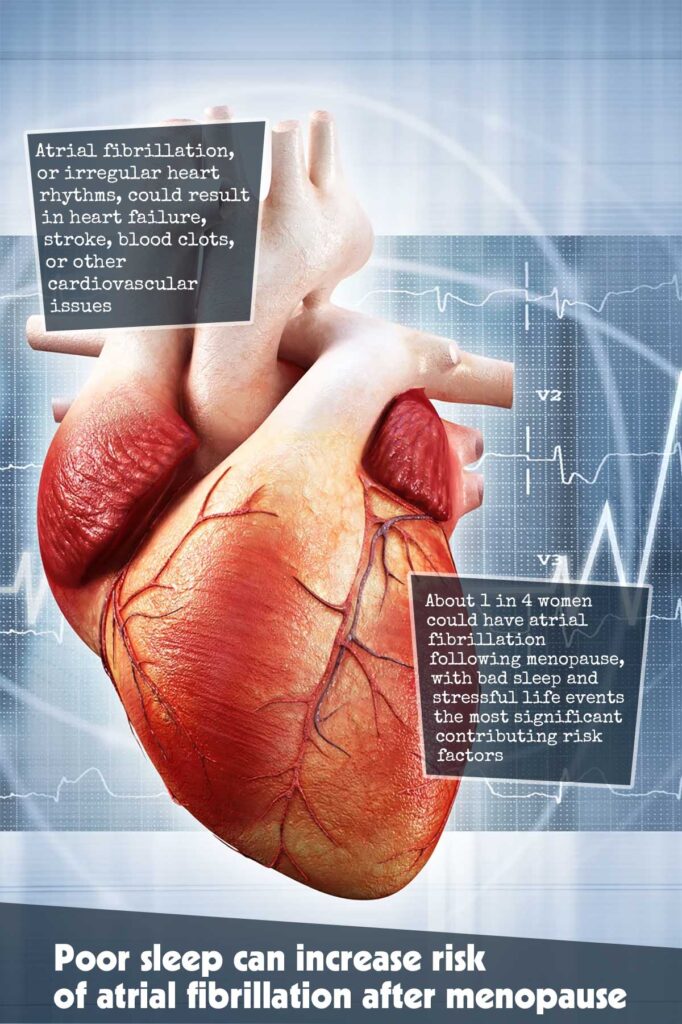
Poor Sleep Can Increase Risk of Atrial Fibrillation After Menopause

Poor Sleep Can Increase Risk of Atrial Fibrillation After Menopause

According to a study, approximately 1 in 4 women could have atrial fibrillation following menopause, with bad sleep stressful and life events the most significant contributing risk factors. Atrial fibrillation, or irregular heart rhythms, could result in heart failure, stroke, blood clots, or other cardiovascular issues. It affects mainly older individuals, and according to the AHA, by 2030 over 12 million individuals are predicted to have atrial fibrillation. Data were reviewed from over 83,000 questionnaires completed by women between the ages of 50 and 79 from the Women’s Health Initiative, a big U.S. study. Individuals answered a series of questions in the following important categories: insomnia, social support, sense of optimism, and stressful life events. Questions regarding stressful life events dealt with topics that included domestic, sexual, verbal, or physical abuse; financial pressure; divorce; illness; and loss of a loved one. Questions regarding sleeping habits dealt with overall sleep quality, waking up numerous times throughout the night, and difficulty falling asleep. Questions regarding social supports and outlook on life dealt with having daily chores help; a sense of optimism which included the belief that good things will happen; having friends to talk to about and during stressful or difficult situations. The study found throughout about 10 years of follow-up that: Approximately 23,954 women had atrial fibrillation.A 2-cluster system (the strain cluster and the stress cluster).There’s a 4% greater chance of having atrial fibrillation for each extra insomnia scale point. Likewise, there’s a 2% greater chance of having atrial fibrillation for each extra stressful life event scale point. The brain and heart association has long been identified in many disorders. Atrial fibrillation is an electrical conduction system disorder and is susceptible to hormonal changes originating from bad sleep and stress. These common pathways probably support the connection between insomnia and stress with atrial fibrillation. Stressful life events, bad sleep and feelings, which include feeling overwhelmed by circumstances, anxiety, or depression, are often interconnected. It’s hard to know if these factors accumulate little by little over time to increase atrial fibrillation risk as women get older. Chronic stress hasn’t been consistently linked to atrial fibrillation, and a limitation of the study was that it relied on self-reported questionnaires used at the beginning of the study. Although stressful life events can be traumatic and significant, they might however not be long-lasting. Additional studies are required to confirm these connections and assess if customized stress-relieving treatments could modify the risk of atrial fibrillation. Source link

Poor Sleep Can Increase Risk of Atrial Fibrillation After Menopause Read More »

How Effective Is Icing an Injury for Promoting Muscle Regeneration?

How Effective Is Icing an Injury for Promoting Muscle Regeneration?

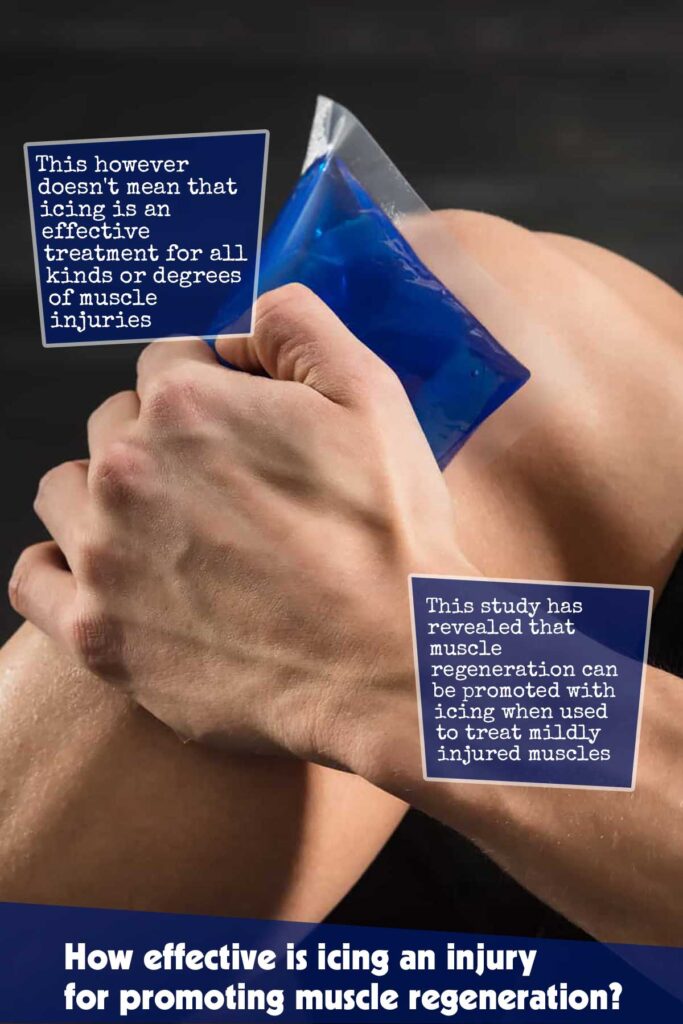
The application of ice to an injured muscle is a common first aid solution, but what impact does this have on the regeneration of muscle exactly and does it actually help? A study shows that the application of ice can depend on the extent of the injury. DOI: 10.1152/ajpregu.00258.2022 RICE (Rest, Ice, Compression, and Elevation) is a popular method for the treatment of the sports injury’s acute phase. Various steps can subsequently be followed to treat the injury later on. There’s however not much evidence on the benefits of icing and opinions differ on whether icing ought to be applied or not. The researchers have conducted several studies to look into the efficacy of icing. No prior animal studies have however suggested that muscle regeneration is promoted by icing. For this study, they focused on changing the muscle injury’s severity in the tests. The reasons behind this were that most muscle injuries related to sports are limited; for example, less than 10% of the total number of muscle fibers known as myofibers are necrotized and damaged. All animal studies so far have however considered more severe injuries where more than 20% of the myofibers had been damaged. So, the researchers created a mildly injured muscle animal model and tested the application of ice following injury making use of a similar method as used before. An injury affecting 20% of the total muscle fibers was induced in their previous studies. They induced an injury affecting 4% of the fibers for the current study. This is a similar degree of injury that often takes place following sports activities which include long-distance running or vigorous exercise. Icing was done by applying polyethylene ice bags on the skin surface for three daily 30-minute sessions 90 minutes apart. This was carried on until 2 days following injury for 9 icing sessions in total (i.e. 3 sessions immediately following injury, 3 sessions one day following injury, and 3 sessions two days following injury). The icing method was identical to that used in the prior study. Significant variations were observed between the icing group and the non-icing group in regeneration of fiber size in muscle cross-sections that were regenerating 2 weeks following injury. This means that icing possibly promoted the regeneration of skeletal muscle. Macrophages are immune cells orchestrating the process of repairing muscle that has been injured. There’s an accumulation of pro-inflammatory macrophages in the area that’s been damaged shortly after injury takes place, they however express nitric oxide synthase that has a detrimental side-effect of increasing the injury’s size. The results showed that the accumulation of nitric oxide synthase-expressed pro-inflammatory macrophages following mild muscle injury is reduced with icing. By creating this phenomenon, icing helps prevent size of the muscle injury increase. This means that pro-inflammatory macrophage recruitment is attenuated in the injury area by icing. This was also observed in their prior study, showing that this is an effect due to icing irrespective of whether it’s a mild or severe muscle injury. In the prior study, icing was seen to delay muscle regeneration following a serious injury destroying numerous fibers because the pro-inflammatory macrophages weren’t able to adequately phagocytose (surround and remove damaged tissue) the injured muscle. In comparison to this, it’s demonstrated in the current study that icing has a positive impact on mild muscle injuries since it prevents the muscle injury’s secondary expansion induced by the pro-inflammatory macrophages. It indicates that this specific effect of icing is associated with muscle regeneration promotion. This study has revealed that muscle regeneration can be promoted with icing when used to treat mildly injured muscles. This however doesn’t mean that icing is an effective treatment for all kinds or degrees of muscle injuries. For instance, the researcher’s prior study revealed that icing inhibited muscle regeneration in cases of severe muscle injury. Source link

How Effective Is Icing an Injury for Promoting Muscle Regeneration? Read More »

Research Reveals How Smoking Makes Us Age Faster

Research Reveals How Smoking Makes Us Age Faster

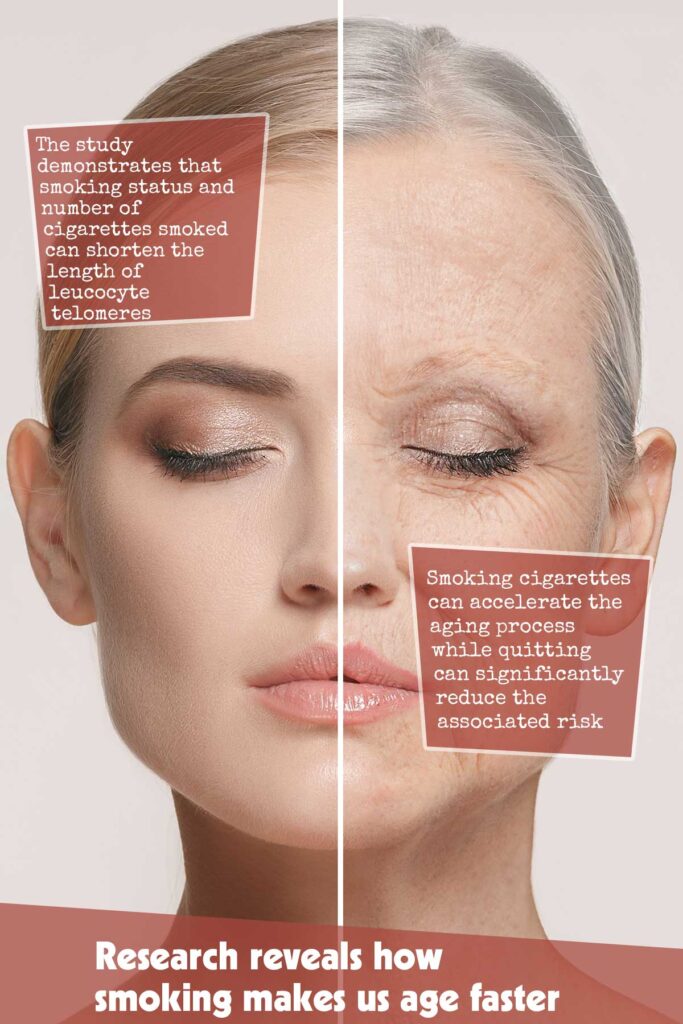
A study of almost 500,000 individuals has revealed that the chromosome end fragments in the immune system’s white blood cells are shortened from cigarette smoking. These end fragments are known as telomeres, and telomere length is an indicator of how fast we age and the ability of the cells to regenerate and repair. The study demonstrates that smoking status and number of cigarettes smoked can shorten the length of leucocyte telomeres, an indicator of aging, tissue regeneration, and self-repair. This means that smoking cigarettes can accelerate the aging process while quitting can significantly reduce the associated risk. Telomeres are like the metal or plastic sheaths that stop the fraying of shoelaces. They are repetitive DNA sequence lengths protecting the chromosome ends. The telomeres become a little bit shorter every time a cell divides and gradually become so short that the cell is no longer able to divide and dies. This process is part of aging. The length of telomeres in white blood cells known as leucocytes has been associated with smoking, but there haven’t been many studies into whether the amount smoked and smoking status in fact caused the telomere length to shorten. Data were analyzed from the UK Biobank that contains health and genetic information from 500,000 individuals. They examined whether an individual was currently smoking, a former smoker, or never smoker, smoking addiction level, the number of cigarettes smoked (pack-years of smoking), in addition to leucocyte telomere length information obtained from blood tests. They made use of a method known as Mendelian randomization that uses gene variations called single nucleotide polymorphisms that we inherit to deduce how exposure to a changeable environmental factor that includes smoking is causally associated with a condition or health issue like shorter leucocyte telomeres. The Mendelian randomization avoids the challenge of other, frequently unknown factors influencing the results, which enables researchers to examine whether a specific factor causes a condition, instead of just being linked to it. Data from 472,174 UK Biobank participants were used, and 113 single nucleotide polymorphisms associated with smoking status, 15 single nucleotide polymorphisms for participants currently smoking, 78 single nucleotide polymorphisms for participants who had never smoked and 20 single nucleotide polymorphisms for participants who had smoked before. The researchers discovered that there was a statistically significant association between current smoking status and shorter leucocyte telomere length, while former smokers and never smokers didn’t show shorter leucocyte telomere length. Individuals who used to smoke tended to have shorter telomere length, but this wasn’t statistically significant. A shorter leucocyte telomere length that was significant was seen in individuals who smoked the most cigarettes. In conclusion, smoking can shorten leucocyte telomere length, and the shortening effect is stronger when more cigarettes are smoked. Observational studies have associated leucocyte telomere length shortening with numerous conditions, which include muscle loss, diabetes, and cardiovascular disease. Source link

Research Reveals How Smoking Makes Us Age Faster Read More »

Which Lifestyle Habits Are Good for Helping Reduce Risk of Depression?

Which Lifestyle Habits Are Good for Helping Reduce Risk of Depression?

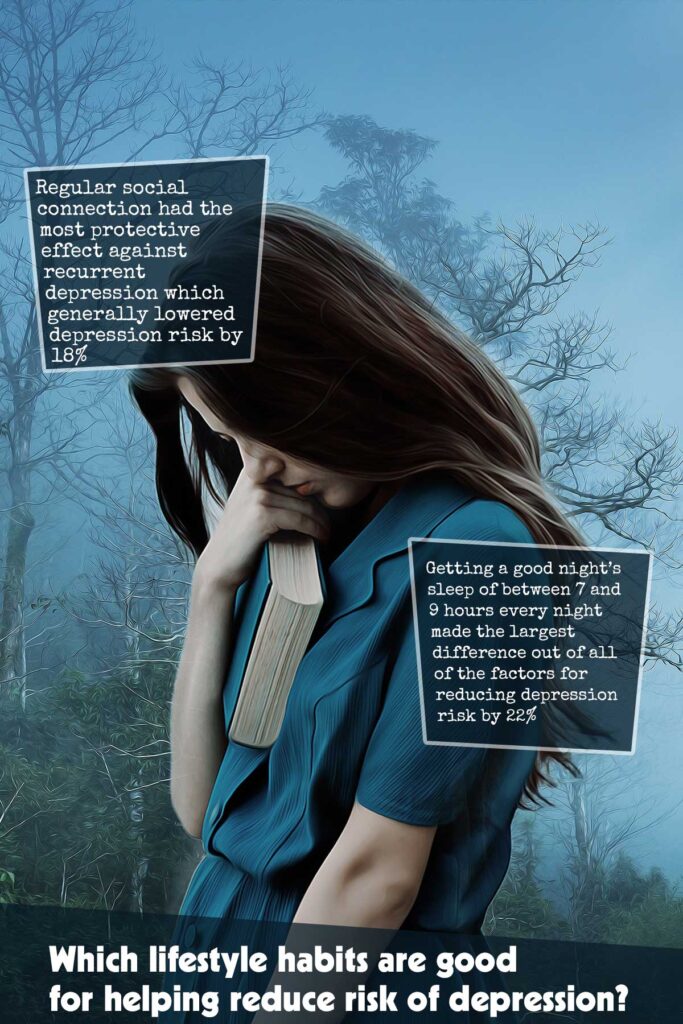
Research has shown that a healthy lifestyle involving regular social connection, healthy sleep, healthful eating, moderate consumption of alcohol, and regular physical activity while avoiding an excessive amount of sedentary behavior and smoking, lowers depression risk. Researchers examined a combination of factors such as brain structure, genetics, lifestyle factors, and the metabolic and immune systems to determine the underlying mechanisms that could explain this relationship. According to the WHO, about 1 in 20 individuals suffer from depression, and the disorder presents a significant public health burden globally. The factors that affect the start of depression are complex and include a combination of lifestyle and biological factors. To examine the association between depression and these factors, data were made use of the UK Biobank, a research resource that contains the participants’ health, lifestyle, and genetic details. By looking at data from nearly 290,000 people, of whom 13,000 experienced depression, followed over 9 years, the researchers could identify 7 healthy lifestyle factors linked to a reduced depression risk. These were: Frequent social connection Low-to-moderate sedentary behavior Never smoking Healthy sleep Regular physical activity Moderate alcohol consumption Healthy diet Getting a good night’s sleep of between 7 and 9 hours every night made the largest difference out of all of the factors for reducing depression risk by 22%, which includes treatment-resistant depression and single depressive episodes. A regular social connection had the most protective effect against recurrent depression which generally lowered depression risk by 18%. Never smoking reduced depression risk by 20%, regular physical activity reduced risk of depression by 14%, low-to-moderate sedentary behavior reduced risk of depression by 13%, moderate alcohol consumption reduced risk of depression by 11%, and a healthy diet reduced risk of depression by 6%. The individuals were allocated to 1 of 3 groups according to how many healthy lifestyle factors they stuck to: favorable lifestyle, intermediate lifestyle, and unfavorable lifestyle. The intermediate group participants were about 41% more unlikely to experience depression in comparison to the unfavorable lifestyle individuals, while the favorable lifestyle individuals were 57% more unlikely to experience depression. The researchers then looked at their DNA, allocating each participant a genetic risk score based on the person’s number of genetic variants that are known to be associated with depression risk. Individuals with the lowest score for genetic risk were 25% more unlikely to develop depression in comparison to individuals with the highest score for genetic risk, a much smaller impact compared to lifestyle. In individuals at low, medium, and high genetic depression risk, the researchers additionally observed that a healthy lifestyle can reduce depression risk. These results underline the significance of adhering to a healthy lifestyle for the prevention of depression, irrespective of an individual’s genetic risk. Although our DNA can increase depression risk, the study shows that a healthy lifestyle is possibly more important. There is a degree of control for several of these lifestyle factors, so looking for ways for improvement such as getting out to socialize and ensuring we get a good night’s sleep can make a difference to people’s lives. To determine how a healthy lifestyle decreases depression risk, the researchers examined several other factors. To start with, they looked at MRI brain scans from just less than 33,000 individuals and observed several brain areas where a larger volume, i.e. more connections and neurons, were associated with a healthy lifestyle, which included the amygdala, hippocampus, pallidum, and thalamus. They then looked for blood markers that suggested metabolism or immune system issues. Among those markers shown to be associated with lifestyle was a molecule produced in the body when responding to stress known as C-reactive protein, and one of the main types of fat that the body uses for storing energy known as triglycerides. These connections are supported by several other studies. Stress exposure in life can impact how efficiently blood sugar is regulated, which could result in immune function deterioration and accelerate age-related damage to the body’s molecules and cells. Lack of sleep and inadequate physical activity can damage the ability of the body to respond to stress. Insufficient social support and loneliness have been shown to increase immune deficiency markers and the risk of infection. The researchers found that the lifestyle to metabolic and immune function pathway was the most significant. So, a poorer lifestyle affects our metabolism and immune system, which subsequently increases depression risk. Image by Enrique Meseguer from Pixabay Source link

Which Lifestyle Habits Are Good for Helping Reduce Risk of Depression? Read More »

Hundreds of Harmful Chemicals Found in Household Cleaning Products

Hundreds of Harmful Chemicals Found in Household Cleaning Products

A study has shown that commonly used household cleaning products can release 100s of harmful VOCs, or volatile organic compounds. The study assessed 30 cleaning products, such as air fresheners, glass cleaners, and multipurpose cleaners. Researchers analyzed conventional products as well as green cleaning products and a total of 530 VOCs were detected in the 30 products tested. It was found that 193 of these VOCs were harmful, defined as being potentially harmful to health, which includes increased cancer risk, respiratory system damage, and reproductive and developmental health risks. Cleaning product VOCs impact the air quality indoors as well as outdoors. They however contaminate indoor air 2 to 5 times, with some estimates as much as 10 times more than outdoor air. Certain products give off VOCs for days, weeks, and even months. The results highlight a way to minimize exposure to harmful VOCs, by choosing ‘green’ products particularly products that are ‘green’ as well as fragrance-free. The study determined that products labeled green released fewer VOCs, in comparison to conventional products, approximately half the number. The green products classified as fragrance-free also produced the least VOC emissions, almost 8 times less than conventional and 4 times less than fragrance-containing green products. This was also observed for the amount of VOCs regarded as harmful in the products. Only 4 chemicals categorized as harmful were released by the green products in comparison to approximately 15 in fragrance-containing green products and 22 for conventional products. This indicates that opting for green, or even fragrance-free green cleaning products could be the sensible choice for individuals concerned about indoor quality of air and possible health risks. VOCs’ health harms are particularly concerning due to the amount of Individuals who could be experiencing workplace exposure. Research indicates that cleaning industry workers have a 43% greater chronic obstructive pulmonary disease risk and a 50% greater asthma risk. Women who work in the cleaning industry also face a greater lung cancer risk. The health of children could also be at risk. Other research has shown that an increased use of some indoor cleaners while pregnant and in infancy is linked to a higher risk of wheezing and asthma in childhood. The results of the study are consequential for environmental health as well as human health. Consumer product-emitted VOCs can play a role in outdoor air pollution, contributing to current environmental concerns. A 2018 study determined that 50% of the VOCs responsible for air pollution originate from consumer products. Choosing green cleaning products is a simple method for reducing harmful chemical exposure. This could be particularly important for the health of women and children. Source link

Hundreds of Harmful Chemicals Found in Household Cleaning Products Read More »

Almonds Can Support Weight Loss Efforts While Improving Heart Health

Almonds Can Support Weight Loss Efforts While Improving Heart Health

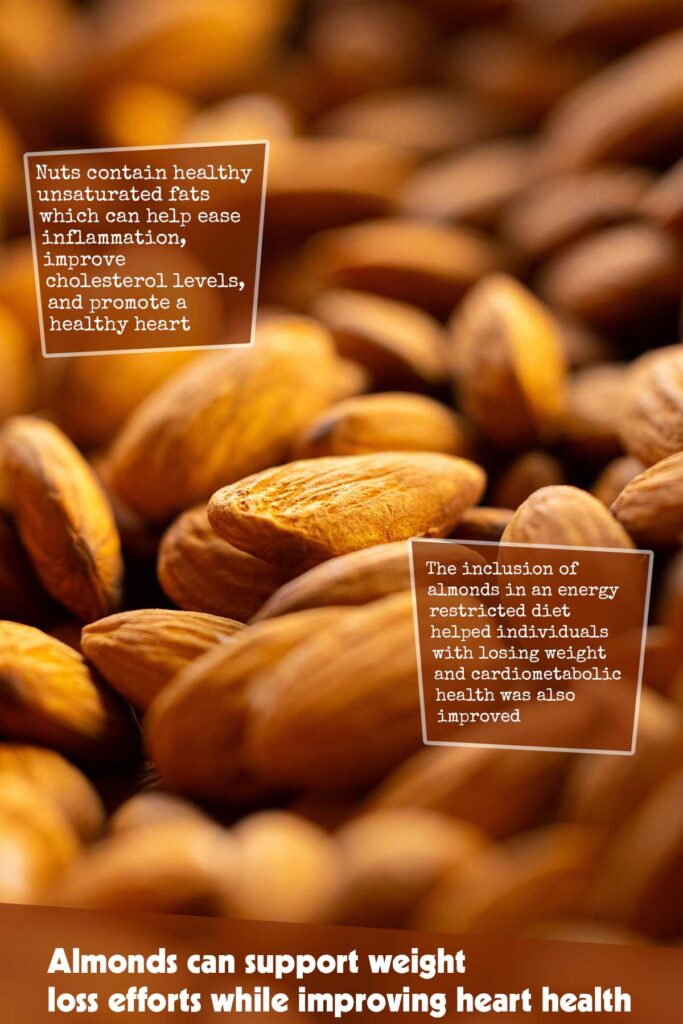
Although nuts are an excellent source of protein, they are also full of fats which is sometimes a deterrent for individuals wanting to lose a few pounds. However, research reveals that almonds can be eaten while losing weight at the same time. In a large study, researchers determined that the inclusion of almonds in an energy-restricted diet helped individuals with losing weight and cardiometabolic health was also improved. Looking at the impact of supplementing energy-restricted diets with almonds or with snacks high in carbohydrates, it was revealed that body weight was reduced by approximately 7kg with both diets. Over 1.9 billion individuals worldwide are overweight with 650 million obese. The study shows how nuts can complement a healthy diet for the management of weight and cardiometabolic health. Nuts such as almonds are excellent for snacking. They’re high in fiber, protein, and full of minerals and vitamins, but they are also high in fat which can be associated with an increase in body weight. Nuts contain healthy unsaturated fats which can help ease inflammation, improve cholesterol levels, and promote a healthy heart. The researchers looked at a diet supplemented with almonds as well as a diet without nuts to determine any impact on weight and cardiometabolic health. The nut as well as the nut-free diets led to about a 9.3% weight reduction during the study. However, the diets supplemented with almonds also exhibited statistically significant atherogenic lipoprotein subfractions changes, which could result in cardiometabolic health improvements in the long term. Also, nuts have the additional benefit of providing a feeling of fullness for longer, a bonus when attempting to manage weight. The study saw 106 individuals complete a 9-month eating program that consisted of a 3-month energy-restricted weight loss diet, then a 6-month energy-controlled weight maintenance diet. In both stages, 15% of energy consumption for the nut diet comprised of unsalted almonds or 15% of energy consumption for the nut-free diet comprised of carbohydrate-rich snacks which included baked cereal bars or rice crackers. Photo by engin akyurt on Unsplash Source link

Almonds Can Support Weight Loss Efforts While Improving Heart Health Read More »

Does Coffee Increase or Help to Reduce the Risk of Kidney Stones?

Does Coffee Increase or Help to Reduce the Risk of Kidney Stones?

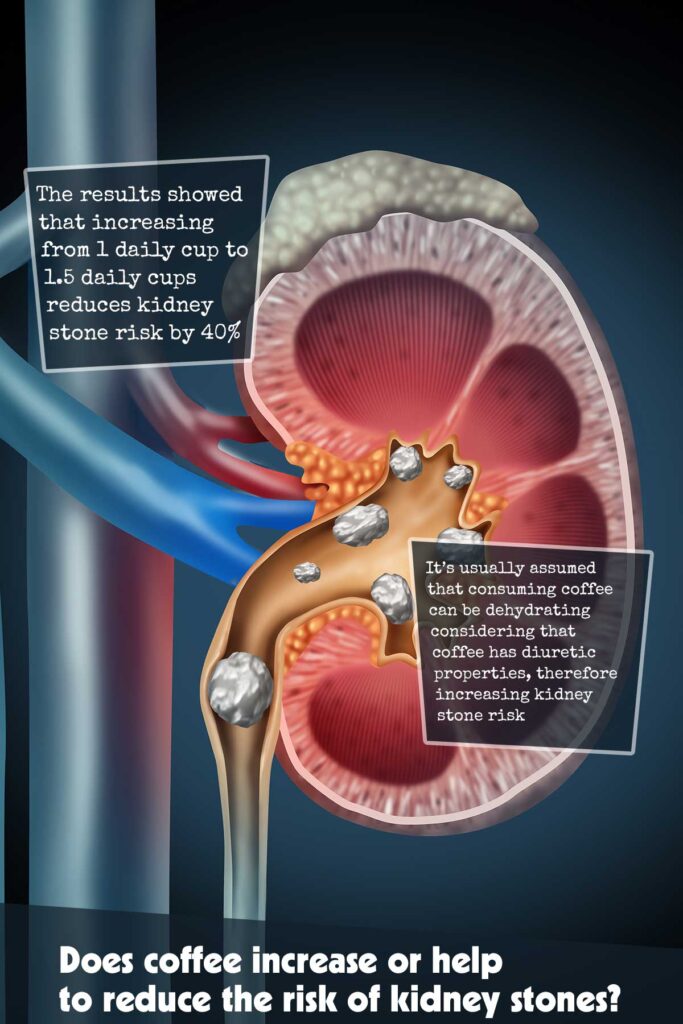
It’s usually assumed that consuming coffee can be dehydrating considering that coffee has diuretic properties, therefore increasing kidney stone risk. Studies have however suggested the opposite. Kidney stones are an increasingly common issue with recent estimates suggesting prevalence as high as 15% of the general population. More than 500,000 individuals visit emergency rooms with kidney stone issues each year. Kidney stones form as a hard object from chemicals found in the urine. The stone can remain in the kidney after formation or travel into the urethra via the urinary tract. Stones that don’t move can result in urine backing up, which causes pain. An inverse connection between consumption of coffee and kidney stone incidence has been consistently found in some research. In one study researchers applied the Mendelian randomization technique to assess the potential causal connection between consumption of coffee and kidney stone development. Data were used from 571,657 participants who had kidney stones from 2 studies, which included 176,613 FinnGen study participants and 395,044 U.K. Biobank study participants. The study looked at how genetics influence the coffee and kidney stone association. The study design took advantage of genetic variants linked to higher coffee consumption. The results showed that increasing from 1 daily cup to 1.5 daily cups reduces kidney stone risk by 40%. Available data were made use of and 12 single-nucleotide polymorphisms, or SNPs, were selected from genome-wide association studies that were linked to coffee intake. Coffee intake was determined via food frequency questionnaires. Making use of the inverse-variance weighted method, coffee consumption causal estimates were computed: a 40% reduced likelihood of stones was found for a 50% increase in consumption, corresponding to a 1 to 1.5 daily cup increase. The study data together with the observational data should negate the mistaken belief that coffee dehydrates and is a beverage that individuals with a high risk of kidney stones should avoid. This study provides causal evidence that kidney stone risk is reduced with coffee consumption. The researchers offer several theories for why coffee can help reduce kidney stone occurrence, explaining that urine flow is increased with caffeine intake, representing an important protective factor against kidney stone development. It’s important to mention that this consumption of caffeine should be accompanied by sufficient intake of water. The adhesion of calcium oxalate crystal to kidney cells can also be reduced by caffeine, and the coffee plant is full of citric acid, and urinary citrate inhibits the formation of kidney stones. Source link

Does Coffee Increase or Help to Reduce the Risk of Kidney Stones? Read More »

How to Maintain a Healthy Mind and Body After 40 According to Research

How to Maintain a Healthy Mind and Body After 40 According to Research

Although a lot of middle-aged individuals incorrectly assume that exercise is reserved only for people younger than 40, regular physical activity is in actual fact a lot more important as we get older. A study has indicated that just 10 minutes of exercise every day in middle age helps to protect the brain against cognitive decline. Getting a minimum of 1 hour and 15 minutes or more every week of physical activity with a moderate to vigorous intensity throughout midlife can be important for preserving brain structure and promoting overall brain health during a lifetime. In another study, researchers found that excessive belly fat seems to actively prevent the ability to think and react quickly in older individuals. Three easy and effective ways to maintain a healthy mind and body after 40 1. Yoga One comprehensive study reports that older individuals regularly practicing yoga are in better all round shape, and have better leg strength, flexibility, and balance. Another study followed a group of overweight or obese individuals as they tried out 2 unique kinds of yoga for 6 months. Irrespective of whether they were practicing vinyasa or hatha yoga, individuals experienced significant weight loss and improvements in cardiorespiratory health. 2. Walking Intense, vigorous exercise every single day isn’t essential. Simple, day-to-day activities such as walking are an easy and fun way to complement more intense exercise and help maintain a healthy mind and body. Research reports that just a few 30-minute or longer walks several times every week can help reduce body fat as well as improve general fitness. Likewise, another study confirms that walking can help significantly to build up and then maintain muscle strength and size in older individuals. 3. Resistance training No fitness program is complete without some strength training, especially after 40. A study confirms that a combination of a weightlifting program and clean eating is a better option compared to selecting cardio exercises only. Aerobic exercise can burn important lean muscle, while resistance exercises such as push-ups or weight lifting help in maintaining and supporting lean muscle. Focusing on completing more repetitions per set is also effective. A weight lifting program focusing on more repetitions with lower weights instead of a few reps with heavier weights helps to promote a shorter recovery time. Carrying out more reps per set helps to increase calorie expenditure and boost metabolism which will help to shed body fat more rapidly. Source link

How to Maintain a Healthy Mind and Body After 40 According to Research Read More »

Increasing Steps by 3,000 Every Day Can Help to Reduce Blood Pressure

Increasing Steps by 3,000 Every Day Can Help to Reduce Blood Pressure

Approximately 80% of older individuals suffer from hypertension. Having healthy blood pressure can safeguard against serious disorders such as strokes, heart attacks, and heart failure. A pilot study observed that adding a somewhat small amount of movement, approximately 3,000 daily steps, can lower high blood pressure substantially. This study wanted to find out if older individuals with high blood pressure could achieve these benefits with a moderate increase in walking every day, which is one of the most common and easiest types of physical activity for any individual. Walking is easy to do, no equipment is needed, and it can be done anywhere at pretty much any time. The research focused on a group of inactive older individuals between 68 and 78 years who walked approximately 4,000 steps every day on average before the research. After consulting current studies, it was established that a reasonable goal would be a 3,000 step increase, 3,000 steps are enough but not too demanding to attain for health benefits. This would also place most individuals at 7,000 steps every day, consistent with the American College of Sports Medicine’s advice. The study was carried out during the COVID-19 pandemic, meaning everything had to be done remotely. The participants were sent a kit with blood pressure monitors, pedometers, and step diaries for logging how many daily steps they were walking. Systolic and diastolic blood pressures dropped by 7 and 4 points on average after increasing steps every day. Other research suggests blood pressure reductions such as these correspond to a reduction of 16% in cardiovascular mortality risk, an all-cause mortality risk by 11%, an 18% reduction in heart disease risk, and a 36% reduction in stroke risk. It’s remarkable that a basic lifestyle treatment can be as effective as some meds and structured exercise. The results indicate that the 7,000-step program the individuals in the study accomplished is comparable to reductions achieved with anti-hypertensive meds. Out of the 21 participants, 8 of them were already taking anti-hypertensive meds. Those individuals still experienced systolic blood pressure improvements from increasing their activity every day. The researchers found in a previous study that exercise combined with meds improved the effects of blood pressure meds on their own. It demonstrates exercise’s value as an anti-hypertensive treatment. The effects of the meds are not completely negated; exercise is just part of the treatment strategy. The researchers observed that walking in continuous bouts and walking speed didn’t make a difference as much as just increasing total steps. They observed that the physical activity volume is most important and not so much the intensity. Making use of the volume as a target, whatever works and fits in will provide health benefits. Photo by Bruno Nascimento on Unsplash Source link

Increasing Steps by 3,000 Every Day Can Help to Reduce Blood Pressure Read More »